

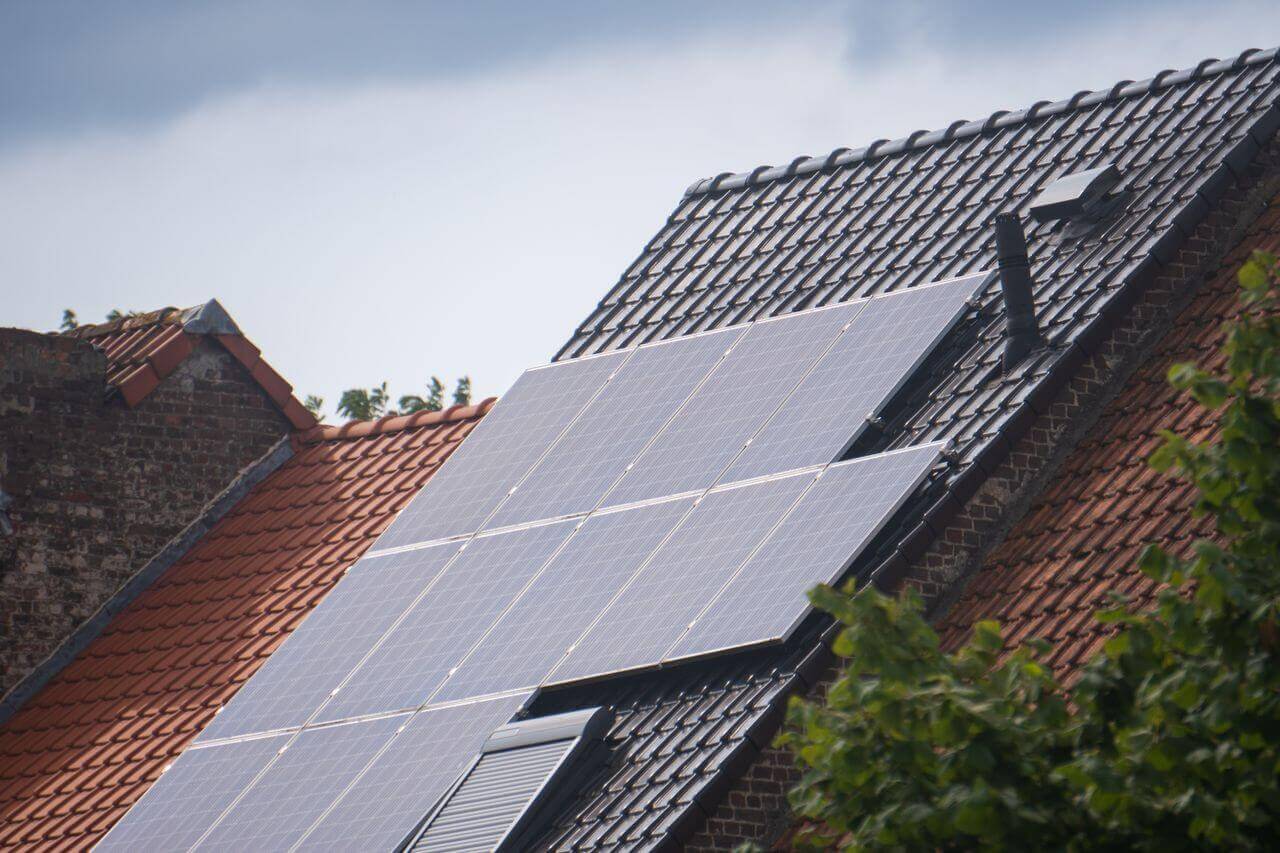
Yes, in many parts of the United States, you will need a permit before installing solar panels on your home.
Unlike the UK where you do not require planning permission for solar panels, solar permitting in the U.S. is generally handled by local governments. Requirements vary by city, county and state, so your installer will usually check the local rules and arrange the necessary permits.
The U.S. Department of Energy says local governments generally require permits and inspections for rooftop solar systems before they can be connected to the grid.
Key takeaways
- Solar permits are usually required in the U.S., but the exact rules depend on your local authority.
- Solar panels can significantly reduce electricity costs, with average U.S. savings estimated at around $60,464 over 25 years.
- Installation itself can be relatively quick, but permitting, inspections and utility approval can add time to the overall process.
Why do solar panels require a permit?
Solar panels are attached to your home and connected to your electrical system, so local authorities want to make sure they are installed safely and meet building and electrical codes.
The permitting process can cover the structural strength of your roof, the electrical equipment and how the system connects to the utility grid. After installation, an inspection may also be required before the system can start producing electricity for the grid.
The good news is that many solar companies handle the paperwork for homeowners. Some areas have also introduced automated permitting systems to make the process faster. The Department of Energy says communities using SolarAPP+ have processed thousands of residential solar permits through a streamlined system.
What home additions or renovations require a permit in the U.S.?
Permit requirements vary depending on where you live and the type of work you are carrying out. Common projects that may require a building or construction permit include:
- Building a major home addition.
- Adding or removing structural walls.
- Constructing a new garage or large detached structure.
- Finishing a basement where structural, electrical or plumbing work is involved.
- Installing or significantly changing electrical or plumbing systems.
- Building a new home or accessory dwelling unit.
- Making major structural changes to your roof.
- Installing certain pools, decks, fences or outdoor structures.
Some smaller projects may not need a permit. Your local building department can confirm what applies to your property before work begins.
Are solar panels worth it? How much can you save?
For many American homeowners, solar panels can be a worthwhile long-term investment. They allow you to generate electricity at home, reducing the amount of power you need to purchase from your utility company.
Your savings will depend on factors such as your electricity rates, system size, location, roof orientation, shading and how much electricity your household uses.
According to 2026 EnergySage data, the average U.S. homeowner could save approximately $60,464 over 25 years by switching to solar. The same data puts the average system cost at about $31,135 before incentives.
Solar can also help protect you against future increases in electricity prices. However, homeowners should compare quotes carefully and consider financing costs when calculating their potential return.
How much do solar panels cost in the U.S.?
A 6-kilowatt system at that rate would cost around $16,080 before any applicable incentives or tax benefits. However, this is only a guide, and actual quotes can be higher or lower depending on local labor costs, permits, equipment and installer pricing.
In 2025, EnergySage reported a median residential solar price of $2.48 per watt during the first half of the year.
The final price will depend on the size of your system, the equipment you choose, installation costs and your location. Battery storage will also increase the upfront cost.
Depending on the installer, homeowners may be able to pay for solar through financing rather than paying the entire cost upfront. Monthly payments can make the initial investment easier to manage, but you should compare the total amount you will repay, including interest and fees.
How long does it take to install solar panels after purchase?
The physical installation of a residential solar system can often be completed fairly quickly. However, the overall process can take longer because permits, inspections and utility approval may need to happen before the system is switched on.
The Department of Energy notes that traditional permitting can cause delays, while automated systems such as SolarAPP+ can significantly shorten project timelines.
Your installer should give you a realistic timeline covering the initial site assessment, permitting, installation, inspection and grid connection.
Overall, solar panels can be a smart investment for many U.S. homeowners, but the rules are different from state to state and even between local jurisdictions. Before purchasing a system, check your local permit requirements and get several quotes from qualified installers.
