

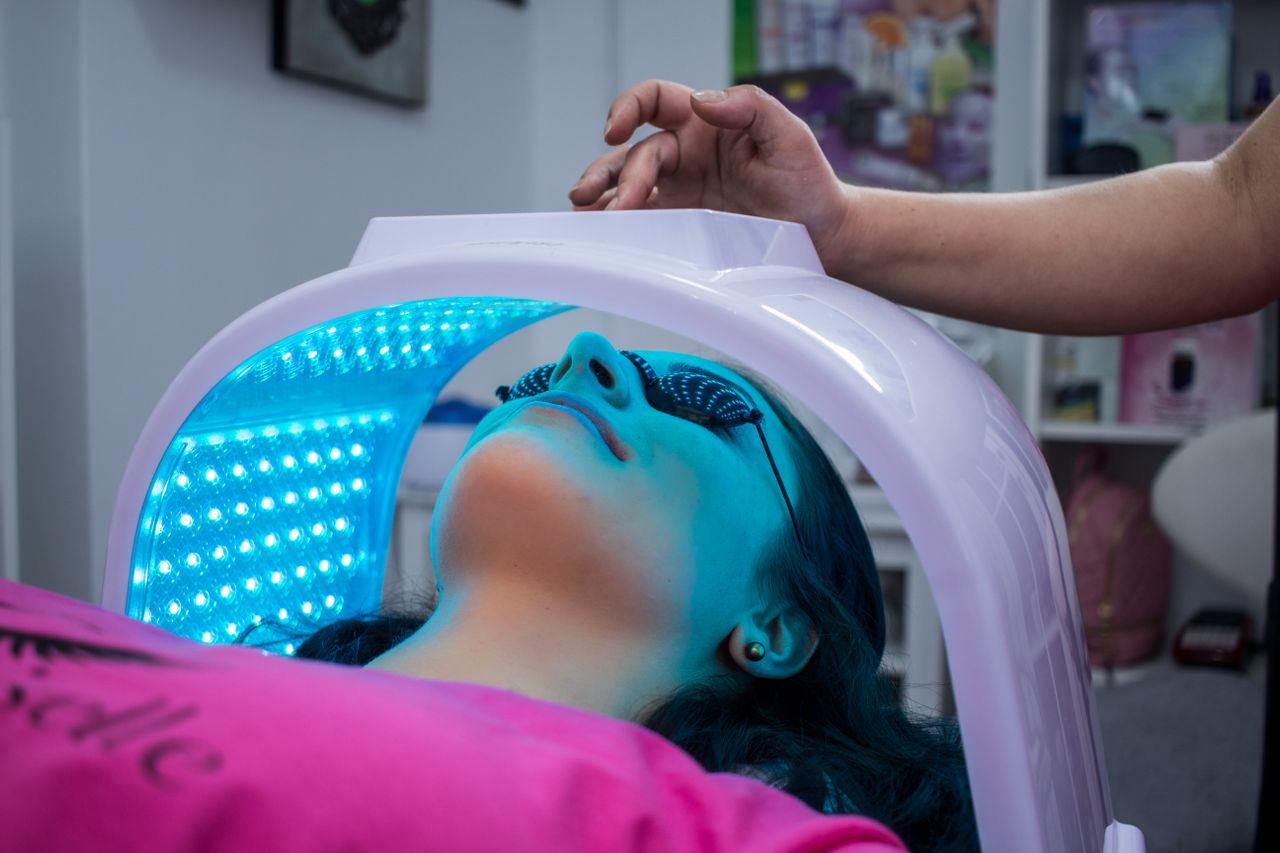
Red light therapy is becoming more popular as a non-invasive way to support health and wellbeing. It is used in clinics, gyms, wellness centres and even at home through specially designed devices. While it is not a cure for medical conditions, research suggests it may help improve healing, reduce pain and support healthy skin.
What Is Red Light Therapy?
Red light therapy uses low levels of red and near-infrared light to reach the body’s cells. Unlike ultraviolet (UV) light from the sun, it does not burn the skin or cause tanning. Instead, the light is absorbed by the cells, where it helps support the production of energy.
This extra energy allows cells to repair themselves more effectively and may reduce inflammation. Treatment is painless, with sessions usually lasting between 10 and 20 minutes, depending on the device and the area being treated.
The treatment is also known as photobiomodulation or low-level light therapy.
What Health Benefits Can Red Light Therapy Offer?
One of the main reasons people choose red light therapy is to help manage pain and improve recovery. Research has shown it may help reduce joint pain, muscle soreness and stiffness, making it popular with both people living with chronic pain and those recovering after exercise.
Red light therapy is also widely used for skin health. It may encourage collagen production, helping to improve skin texture and reduce the appearance of fine lines and wrinkles. Some studies have also found it can support the healing of acne and minor wounds.
Recovery after exercise is another growing area of interest. A review of clinical studies found that red light therapy can reduce muscle fatigue and improve recovery after physical activity, helping people return to training more quickly.
What Conditions Can Red Light Therapy Help With?
Although research is still developing, red light therapy has shown promising results for several health concerns.
According to The Good Practice that offers red light therapy in Hertfordshire, their website mentions benefits such as:
- Improved skin tone and texture
- Reduced appearance of fine lines and wrinkles
- Enhanced collagen production
- Faster muscle recovery after exercise
- Reduced inflammation and joint stiffness
- Headaches and migraines
- Improved circulation
- Support for wound healing and tissue repair
- Reduced redness and skin irritation
- Improved energy and cellular function
- Support for hair growth in some individuals
- General wellbeing and relaxation support
It may help people with arthritis by reducing inflammation and easing joint discomfort. It is also commonly used to support muscle recovery after sport or injury.
For skin conditions, it has been used to improve acne, reduce signs of ageing and support wound healing. Some healthcare professionals also use it alongside other treatments for scars and certain inflammatory skin conditions.
Research into hair growth has also been encouraging. A review of clinical trials found that low-level light therapy improved hair density in people experiencing pattern hair loss.
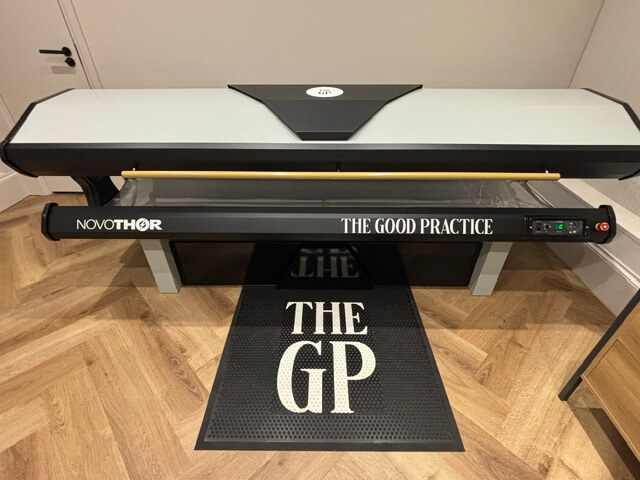
Inset: The red light therapy bed from The Good Practice in Radlett, Hertfordshire
Is Red Light Therapy Safe?
For most healthy adults, red light therapy is considered safe when used correctly. Because it does not use harmful UV rays, it does not carry the same risks as sun exposure.
More than 90% of clinical studies on red light therapy have reported few or no serious side effects, with the most common being temporary redness or mild skin irritation. Following the manufacturer’s guidance and avoiding excessive treatment is important.
People with certain medical conditions, those taking medicines that increase light sensitivity, or anyone who is pregnant should speak to a healthcare professional before starting treatment.
Eye protection may also be recommended when using devices that produce very bright light.
Does Red Light Therapy Really Work?
The evidence supporting red light therapy continues to grow. More than 5,000 scientific studies have investigated photobiomodulation for a wide range of medical and health applications.
While results vary between individuals and conditions, many studies suggest that regular treatment can provide noticeable improvements over time. It is generally most effective when used consistently and alongside other healthy lifestyle habits or medical treatments where appropriate.
Final Thoughts
Red light therapy offers a simple, non-invasive way to support the body’s natural healing processes. It may help reduce pain, improve recovery, promote healthier skin and support hair growth, all without the use of medication or surgery.
Although it is not a replacement for medical care, it is considered safe for most people and continues to be backed by an increasing amount of scientific research. If you are considering red light therapy for a specific health condition, speaking to a qualified healthcare professional can help you decide whether it is the right option for you.
