

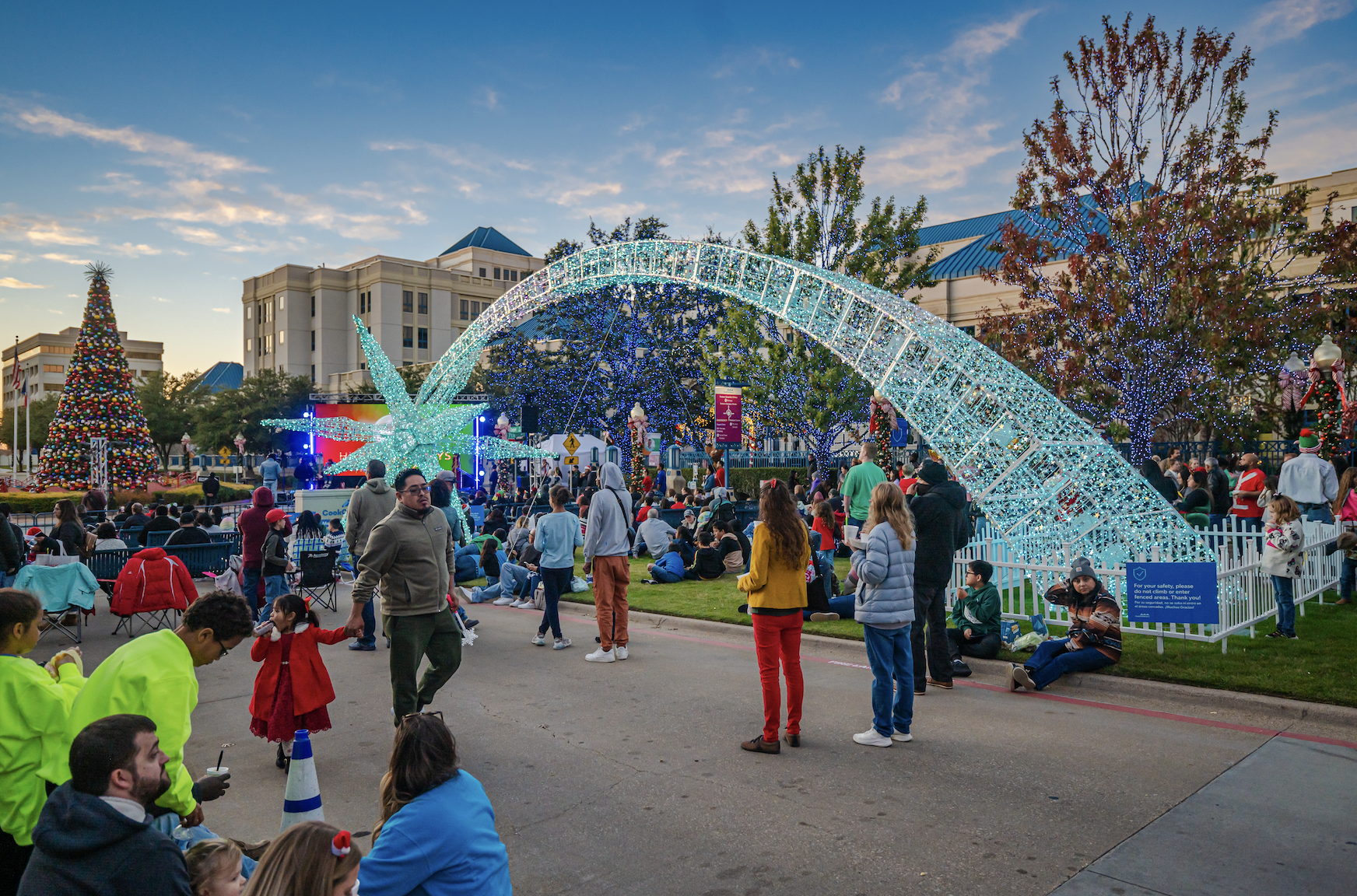
Large Christmas decorations can create a fantastic festive atmosphere, whether they are installed in a family home, shopping center, hospital or across an entire municipality.
As you walk around town over the next few weeks, you will notice big Christmas decorations everywhere and places will feel bear without them.
However, these displays can use significant amounts of electricity and materials, increasing both running costs and environmental impact. Is it sensible in this day of age of sustainability awareness to erect such big decorations that guzzle electricity?
The good news is that companies can make Christmas decorations more sustainable without losing their visual appeal.
By using LED lighting, solar-powered features, reusable materials and long-term installation agreements, it is possible to create impressive displays while reducing energy consumption, waste and unnecessary costs.
Switch to Energy-Efficient LED Lighting
One of the easiest ways to make large Christmas decorations more sustainable is to use LED lighting instead of traditional incandescent bulbs.
LED lights use considerably less electricity while still providing bright, colorful displays. According to the US Department of Energy, LED holiday light strands use around 70% less energy than conventional incandescent lights.
ENERGY STAR-certified decorative light strings can use approximately 92% less energy than traditional incandescent strings. They are also more durable and can last up to 10 times longer.
For shopping centers, hospitals and local authorities installing thousands of lights, these savings can make a significant difference to electricity bills.
Although LED lighting may cost more initially, the lower running costs and longer lifespan can make it a worthwhile investment.
Use Solar-Powered and Natural Energy Sources
Another way to reduce electricity consumption is to incorporate decorations that use natural energy sources.
Solar-powered Christmas lights are particularly useful for outdoor displays. They collect energy from sunlight during the day and use it to illuminate decorations at night, reducing the need to draw electricity from the grid.
This can work well for outdoor Christmas trees, illuminated pathways, garden displays and smaller decorative installations.
Companies can also explore wind-powered features where the location and weather conditions make them practical. For example, moving decorations could use wind to create movement without requiring an electric motor.
Reflective materials, metallic finishes and carefully positioned mirrors can also help decorations shine when natural light hits them. These features create visual interest without needing additional lighting.
Reuse Christmas Decorations and Installation Materials
Reusing materials is one of the most effective ways to make large Christmas installations more sustainable.
Professional Christmas installation companies often work with shopping centers, commercial buildings and local authorities on contracts lasting two to three years or longer. This allows them to reuse lighting, cables, large decorations, ornaments and structural materials rather than purchasing everything from scratch each Christmas.
Instead of replacing an entire display annually, companies can refresh existing installations by changing the layout, adding a few new features or introducing different decorative themes.
This approach reduces waste, limits the demand for newly manufactured products and helps clients get better value from their original investment.
It also makes planning easier because businesses can work with an installation company that already understands the site, electrical requirements and storage arrangements.
Choose Sustainable and Recyclable Materials
The materials used to create Christmas decorations can have a significant environmental impact.
Companies should consider using recycled plastics, sustainably sourced wood, metal and recyclable materials wherever possible. These can be used to create large Christmas ornaments, decorative structures, signage and themed displays.
It is also worth choosing durable materials that can withstand different weather conditions, particularly for outdoor installations.
For example, a well-made metal Christmas decoration could be used for several years, whereas a cheaper plastic alternative may need replacing much sooner.
Businesses should also consider what happens to decorations at the end of their useful life. Choosing materials that can be repaired, recycled or reused helps prevent unnecessary waste.
Use Timers and Smart Lighting Systems
Even energy-efficient lighting can consume unnecessary electricity if it remains switched on throughout the night.
Installing timers and smart lighting systems allows businesses to control exactly when their Christmas displays operate.
For example, shopping centers could have their decorations illuminated during opening hours and early evening, before automatically switching them off later at night.
Large installations can also use dimming controls to reduce brightness during quieter periods.
These small changes can make a noticeable difference when managing hundreds or thousands of lights across a large site.
Plan Christmas Installations With Sustainability in Mind
Sustainability should be considered before a Christmas installation is designed, rather than added as an afterthought.
Installation companies should work with clients to understand their energy budgets, available power supplies, storage facilities and environmental targets.
They can then recommend suitable lighting, reusable structures and materials that balance appearance with efficiency.
It is also important to measure electricity consumption throughout the festive period. This allows businesses to understand how much energy their displays use and identify opportunities to improve future installations.
Final Thoughts
Large Christmas decorations do not have to come at the expense of sustainability. By investing in LED lighting, exploring solar-powered features, reusing materials and introducing smart controls, companies can create impressive festive displays while reducing energy consumption and waste.
Whether decorating a shopping center, hospital, commercial building or an entire town, planning ahead and working with experienced installation companies can help make Christmas both visually impressive and more environmentally responsible.
